Online Chat
Message
Facebook
YouTube
Twitter
LinkedIn
Export Cases Customer Relationship Technologies

Super Practical Loader Maintenance and Repair Methods

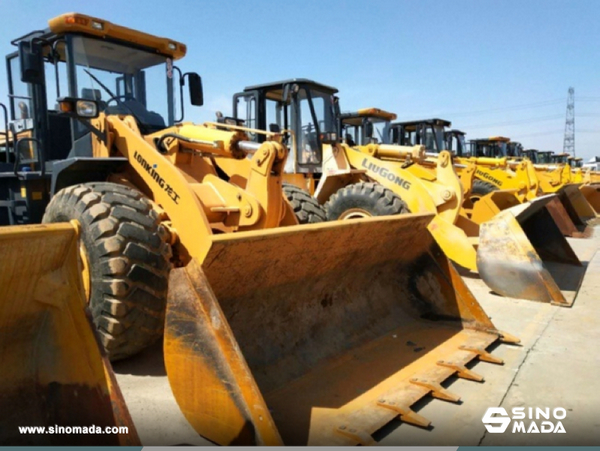
Why can't you increase the throttle when the loader diesel engine is just started? After the loader diesel engine is just started, it should run at a low speed for 3 to 5 minutes. The purpose is: 1. Warm up: let the various parts of the engine body slowly and evenly heat up to reach the normal working temperature, reduce wear and avoid mechanical strain. 2. Ensure lubrication: When the diesel engine is just started, the lubricating oil has high viscosity and the parts are poorly lubricated. After warming up, the lubricating oil gradually reaches the lubrication parts to avoid dry friction and damage to the mating surface. 3. After the diesel engine is just started, the machine temperature is low and the diesel is not completely burned. At this time, if the throttle is increased and the fuel supply is increased, the excess unburned diesel will form carbon deposits, which will aggravate the diesel engine emissions. In addition, the excess diesel may flow into the crankcase along the cylinder wall, affecting the lubrication of the cylinder wall, and diluting the oil in the oil pan, reducing the lubrication performance and reducing the service life of the diesel engine. For diesel engines equipped with exhaust gas turbochargers, more attention should be paid to warming up the engine. If the throttle is increased immediately after starting, the speed of the turbine increases, but the engine oil does not have time to reach the surface of each lubrication part, and good lubrication cannot be formed. It is easy to cause the turbine shaft to get stuck, causing a fault. What are the reasons for the sudden shutdown of the loader diesel engine, and how should it be handled? When the diesel engine suddenly stops while working, do not restart the diesel engine immediately. You should carefully analyze and check the reasons for the sudden shutdown of the diesel engine, and start it again after repair. The main reasons for the sudden shutdown of the loader forklift diesel engine are: 1. The fuel supply system fails and causes a sudden shutdown. This shutdown phenomenon is caused by air entering the diesel engine fuel supply circuit or the interruption of fuel supply. Before the diesel engine suddenly stops, the speed fluctuates and the operation is unstable. The reasons for the interruption of fuel supply are: a. The diesel tank is insufficient and the fuel should be added; b. The oil circuit is not tightly sealed. When this kind of fault occurs, it can be judged by bleeding the fuel system after the shutdown. If a large amount of foamy oil bubbles are released at the bleed screw by pumping oil with a hand oil pump, the engine is shut down due to oil gas in the oil. The sealing of the low-pressure oil circuit should be carefully checked. C. The camshaft of the injection pump is broken or the rolling key is broken, and the connecting plate is broken. The injection pump should be repaired. 2. Sudden shutdown caused by crankshaft locking After the shutdown, observe whether the water temperature is abnormal and whether there is water in the oil pan (the engine oil is emulsified). If the inspection is normal, the diesel engine crankshaft should be turned. If it feels difficult to turn or cannot turn, it can be judged that the bearing is burned or the crankshaft is locked after the bearing is burned. After the failure of burning bearings occurs, the cause should be found, the oil channel should be cleaned, the crankshaft should be ground, the bearings and a few parts (connecting rods, etc.) should be replaced before the machine can be assembled and tested. 3. Sudden shutdown caused by cylinder pulling What are the main causes of early wear of loader diesel engines? Early wear of diesel engine refers to the phenomenon that the diesel engine power drops significantly and fuel consumption increases due to the wear of the main moving parts (such as piston rings, crankshafts, bearings, cylinder liners, etc.) in a short period of use, so that the diesel engine cannot continue to work effectively. The main reasons for early wear of diesel engine are as follows: ① The new engine runs under heavy load without running-in; ② The air filter fails; ③ Improper use and maintenance, poor oil quality; ④ Poor combustion, excessive carbon deposits in the cylinder. What is the cause of cylinder liner strain of loader? How to prevent it? The main manifestations of cylinder liner strain are: knocking sound of piston in cylinder, reduced power of diesel engine, blue or white smoke from oil combustion; thinning of oil, pressure drop, etc. The reasons for cylinder strain are: ① Failure of cooling system, overheating of machine, excessive expansion of piston after heating. ② Insufficient oil, deterioration or impurities in oil, causing poor lubrication. ③ The gap between the piston and the cylinder wall is too small (mostly seen in new engines or diesel engines that have just been overhauled). ④ The piston ring is broken or stuck. ⑤ The piston pin retaining ring fails, causing the piston pin to move. What are the measures to reduce the wear of the loader cylinder liner? In addition to taking anti-corrosion and wear-resistant measures in design and manufacturing to reduce the wear of the cylinder liner, the following points should also be noted in the use and maintenance projects: ⑴ Correct starting and starting After starting the cold engine, it should be warmed up for 3 to 5 minutes under a small throttle state before starting the vehicle. When running at first, it should work at a low load for a period of time, and then work at a high load after the temperature rises. ⑵ Maintain the normal temperature of the engine If the diesel engine temperature is too low, it cannot maintain good lubrication, which will increase the friction of the cylinder wall; if the temperature is too high, the cylinder strength will be reduced and the wear will be aggravated, and the piston may even expand excessively and cause a "cylinder pull" accident. The normal operating temperature of the diesel engine is 80℃~90℃. When it exceeds 95℃, the load should be reduced or the engine should be shut down for cooling. ⑶ Maintain good lubrication Frequently check and maintain the engine oil quality and oil level, change regularly and select the appropriate viscosity engine oil according to the season to ensure good lubrication. ⑷ Strengthen the maintenance of the "three filters" (air filter, oil filter and diesel filter) This is the main measure to prevent mechanical impurities from entering the cylinder, reduce cylinder wall wear and extend the service life of the engine, which is especially important for loader diesel engines that are often in high dust content. ⑸ Improve maintenance and repair quality Strictly perform maintenance and repair operations in accordance with the technical standards specified in the diesel engine maintenance manual. Adjust and control each matching clearance (opening clearance) to prevent the wear between the piston and the cylinder wall from being accelerated due to improper maintenance and maintenance. What are the reasons for the frequent flushing of the cylinder gasket of the loader diesel engine? The cylinder gasket is burned by the high-temperature gas in the cylinder, which is called "flush cylinder gasket", also known as "burned cylinder gasket". After flushing the cylinder gasket of the diesel engine, abnormal phenomena such as "bubbling" of the water tank, water inflow of the oil pan, emulsification of the engine oil, and drainage of the exhaust pipe (white smoke) will generally occur. The main reasons for the cylinder gasket are: ⑴ Cylinder head deformation The cylinder head is thermally deformed due to the alternating effects of high temperature and high pressure gas for a long time; improper disassembly (not disassembling in sequence) will also cause deformation. After the cylinder head is deformed, the raised part cannot press the cylinder gasket tightly, causing high temperature gas leakage and burning of the cylinder gasket. ⑵ The height of the cylinder liner boss is different, causing individual cylinders to be poorly sealed. In order to make the cylinder liner and cylinder gasket pressed tightly on the cylinder body and maintain good sealing, it is generally required that the cylinder liner end face boss plane is higher than the cylinder body by a certain size (generally 0.05~0.12mm), and the difference in the protrusion of the cylinder liner of the same diesel engine (or two cylinders under the same cylinder head) is also specified (generally 0.05mm). If it exceeds the specified value, it may cause insufficient sealing pressure, causing high pressure and high temperature gas to burst out and damage the cylinder gasket. ⑶ The cylinder head bolts are loose or the tightening torque is insufficient. When the diesel engine leaves the factory, the manufacturer provides a maintenance manual with clear requirements for the torque of the cylinder head fastening bolts. During maintenance, the cylinder head should be tightened strictly according to the specified time and method. ⑷ The cylinder gasket assembly method is incorrect or the cylinder gasket is of poor quality. ⑸ The machine is not working properly and overheating causes the cylinder gasket to be punched. What are the reasons for the increase in the oil level of the loader diesel engine oil pan? How to eliminate it? The increase in the oil level of the diesel engine oil pan is caused by the entry of diesel or water into the oil pan. The increase in the oil level of some diesel engines without crankshaft rear skeleton oil seals may also be due to the entry of hydraulic transmission oil into the oil pan. The entry of diesel into the engine oil will reduce the viscosity of the engine oil, deteriorate the engine oil, and cause the relative motion surfaces to fail to form an oil film and aggravate the wear. The entry of water into the engine oil will emulsify the engine oil and lose its lubricating effect. Therefore, once the oil level in the oil pan is found to be rising, the engine should be stopped for inspection, troubleshooting, and oil replacement before operation. The main reasons for the rise in the oil level in the oil pan are: 1. A cylinder (or several cylinders) of the diesel engine is not working or working poorly Because the injector needle valve is stuck in the open state or the injection pressure is low, it causes poor atomization, so that the diesel injected into the cylinder cannot completely form a mixture and burn, but flows into the oil pan from the piston ring, cylinder liner and piston side, causing the oil level in the oil pan to rise. In this case, the "cylinder disconnection method" can be used to find which cylinder or cylinders are not working or working poorly, find out the fault and eliminate it. If necessary, the injector can be tested. 2. Water in the oil pan causes the oil level to rise After water enters the oil pan, the engine oil will emulsify. The main reasons for water in the oil pan are: ① The cylinder gasket is burned and leaks. If you check the water tank at this time, you will find that there are "bubbling" and "boiling" phenomena in the water tank. You should check and replace the cylinder gasket; ② Cracks in the cylinder liner cause cooling water to penetrate into the cylinder and flow into the oil pan. The cylinder liner should be replaced. In this case, the water tank will also "bubble" and "boil". Especially in winter, the phenomenon of cylinder cracking due to "sudden cooling" is more common; ③ The cylinder liner water block ring fails and leaks. The water block ring should be replaced. In this case, there is no bubbling in the water tank. 3. For some diesel engines, due to damage to the rear crankshaft oil seal (or not a skeleton oil seal), if the torque converter leaks seriously, the hydraulic transmission oil will leak into the oil pan, causing the oil level to rise. At this time, there is no diesel smell in the engine oil, and it is not emulsified. The torque converter should be repaired. Why is there oil in the water tank of the loader diesel engine? When checking the water level of the diesel engine radiator (water tank), if the cause is found in the water tank, start the diesel engine after eliminating the fault. There are two situations that may cause oil in the water tank: 1. The diesel engine oil cooler (water cooler) is frozen and cracked, the water cooler core is cracked, and the sealing gasket (ring) is damaged, causing the oil to leak into the cooling system, resulting in oil entering the water tank. The oil cooler should be opened for inspection. If the oil cooler is frozen and cracked, it is generally accompanied by low oil pressure. 2. The hydraulic transmission oil-water cooler is poorly sealed or frozen and cracked, resulting in oil in the water tank. The hydraulic transmission oil-water cooler should be disassembled and inspected. In order to prevent the water cooler from freezing and cracking, when using the diesel engine in cold seasons, do not forget to drain the water in the diesel engine oil cooler and the hydraulic transmission oil-water cooler. What are the ways to extend the service life of diesel engine oil for loaders? 1. Maintain the oil filter on time; 2. Prevent fuel from entering the diesel engine oil pan; 3. Keep the diesel engine oil pan and valve cover relatively closed to prevent debris from invading the oil; 4. Select the appropriate brand of oil as required; 5. Change the oil regularly as required. When changing the oil, drain the oil while it is hot after stopping the engine, and thoroughly clean the oil pan to prevent the remaining waste oil from mixing with the new oil and corroding the new oil. 6. Maintain the normal operating temperature of the diesel engine. The normal operating temperature of the diesel engine is 80℃~90℃. Too high temperature will make the oil thinner, accelerate the oxidation and deterioration of the oil, and reduce the lubricating effect of the oil. If the temperature is too low, the diesel will not be fully burned, and part of the oil gas will condense into liquid and flow into the oil pan along the cylinder wall to dilute the oil. What are the reasons for the wandering of the loader diesel engine? When the diesel engine is running, the speed changes periodically from high to low in a large range, which is called "wandering". There are many kinds of "wandering" phenomena. Sometimes the accelerator pedal wanders at a certain position, sometimes it wanders at idle, and sometimes it wanders under a certain load. The essence of wandering is that the normal speed regulation function of the diesel engine is destroyed. Usually, the resistance of the moving parts in the fuel injection pump components (such as the rack) or the speed governor is too large, which reduces the sensitivity of the speed governor and causes wandering; the clearance of the internal parts of the fuel injection pump or the speed governor is too large, which makes the change of the fuel supply lag behind the speed change too much and may also cause wandering; the wandering phenomenon may also be caused by oil circuit failure, mainly: 1. The low-pressure oil circuit is blocked, the oil supply is not smooth, and the continuity of the oil supply is destroyed; 2. The oil supply oil circuit is inhaled; 3. The injector is poorly atomized or stuck, which makes the cylinders work unevenly and wander. When checking the cause of the wandering failure, you should first check the oil circuit failure. If there is no fault in the oil circuit, then repair the fuel injection pump speed governor and verify the fuel injection pump. It should be noted that the hunting at idle speed is related to the following factors in addition to the above reasons: a. The injector works poorly at low speed, mainly because the injector is worn or the manufacturing quality is poor, which leads to no atomization or oil dripping at low speed, but works normally at medium and high speed. b. The injection pump does not supply enough oil at idle speed. After the idle oil volume is increased, the hunting disappears; c. The idle limit screw is improperly adjusted, resulting in idle hunting. The idle limit screw should be adjusted.

2024-08-28

List of Famous Crane Brands

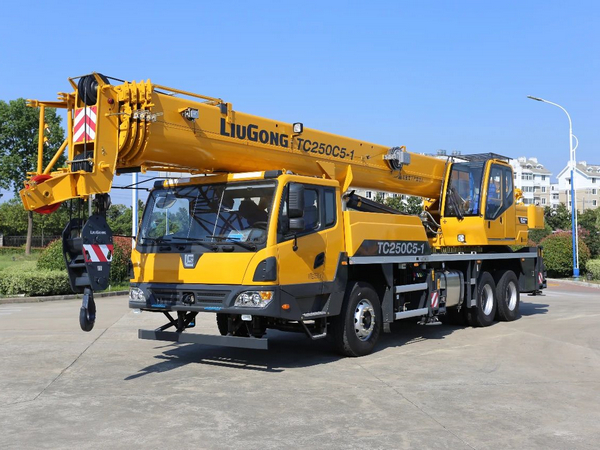
Crane refers to a multi-action lifting machine that can lift and carry heavy objects vertically and horizontally within a certain range. It is also called overhead crane, overhead crane, and crane. There are many brands of cranes, and the following are the famous ones. XCMG Founded in 1989, it is a world-renowned engineering machinery brand that integrates R&D, production and sales, and mainly promotes mechanical products such as cranes/shovel loaders/excavators/concrete machinery. In the 1940s, bathed in the flames of the Anti-Japanese War, XCMG, which originated from three major factories, started a struggle with the Republic of China. In 1989, XCMG Group was formally established. XCMG Group has always maintained its leading position in China's engineering machinery industry. It is a large-scale enterprise group with a large scale, complete product varieties and series, unique competitiveness and influence in China's engineering machinery industry. ZOOMLION Founded in 1992, it is a well-known brand in the global high-end equipment industry, an early A+H-share listed company, and an equipment manufacturing enterprise integrating engineering machinery, agricultural machinery and financial services. After more than 20 years of innovation and development, ZOOMLION has gradually grown into a global enterprise, with leading products covering 10 categories, 55 product series, and more than 460 varieties. ZOOMLION has been listed in Shenzhen and Hong Kong, becoming one of the earliest A+H-share listed companies in the industry. At present, the company is actively promoting strategic transformation to build an equipment manufacturing enterprise integrating engineering machinery, agricultural machinery and financial services. SANY Heavy Industry Founded in 1989, it is an equipment manufacturing industry with engineering as its theme. Its leading products are concrete machinery/excavators/hoisting machinery/road construction machinery/pile machinery/wind power equipment/port machinery and other products. SANY has always adhered to the vision of "creating first-class enterprises, cultivating first-class talents, and making first-class contributions" and has created the well-known "SANY" brand. The main business of SANY Group is the equipment manufacturing industry with "engineering" as its theme. Its leading products are a full range of products such as concrete machinery, excavators, hoisting machinery, road construction machinery, pile machinery, wind power equipment, port machinery, petroleum equipment, coal equipment, precision machine tools, etc. Among them, excavators, pile machinery, crawler hoisting machinery, mobile port machinery, road machinery, and coal tunneling machinery are mainstream brands in China; concrete machinery is a global brand. LIUGONG Founded in 1958, LIUGONG is a well-known brand in the domestic construction machinery industry under the LIUGONG Group, known for its loader/excavator series of construction machinery. Starting from the launch of modern wheel loaders in 1966, through continuous efforts and innovation, LIUGONG has now grown into a company with 19 different product lines. As one of the companies in the industry with a complete global distribution network, LIUGONG has more than 300 dealers in more than 100 countries, providing convenient and professional service support to global customers at any time.

2024-08-13

Summer Loading Water Tank Maintenance Skills

With the approaching of summer, high temperature weather poses a severe challenge to the lodering water tank system of all kinds of mechanical equipment. As the core component of the equipment cooling system, the running state of the lodering water tank directly affects the overall performance and life of the equipment. To this end, we have compiled a series of strategies for efficient maintenance of lodering water tanks, aiming to help the majority of users to better protect the lodering water tank, prevent the adverse effects of high temperature, and ensure that the equipment can still work stably in high temperature seasons. 1. Fine cleaning of heat sink to ensure heat dissipation efficiency In the face of high temperature environment, the heat sink outside the lodering water tank is easy to accumulate dust or plug, which affects the heat dissipation effect. Therefore, it is essential to clean the heat sink regularly. It is recommended to use water flow with moderate pressure for washing, and pay attention to control the water pressure to avoid damage to the heat sink structure. When cleaning, it should be ensured that the front and back of the heat sink are thoroughly cleaned around, in order to improve the heat dissipation efficiency and reduce the temperature of the lodering water tank.   2. scientific water change and filling antifreeze, prolong the life of the lodering water tank In order to completely remove the impurities and scale accumulated inside the tank, it is recommended to use the cyclic water change method. Firstly, the loader is started for about 5 minutes, and when the water temperature rises to about 30 degrees, it is turned off and the water in the tank is discharged. Repeat this process several times until the discharged water becomes clear. It is worth noting that after cleaning, do not directly add water to the tank, but should be filled with high quality antifreeze. Antifreeze can not only effectively prevent the tank from freezing in winter, but also inhibit scale generation and improve cooling effect in summer, so as to extend the service life of the lodering water tank and the entire cooling system.   3. safe operation, to prevent the risk of scald It is strictly forbidden to open the lodering water tank cover after the loader is normally used and stopped. Due to the accumulation of a large number of high temperature steam in the lodering water tank, rashly opening the lodering water tank cover is easy to cause burns. Therefore, the operator must strictly follow the safety protocol to ensure that any maintenance operation is performed after the equipment has been completely cooled.   4. adhere to the use of antifreeze, prevent scale blockage Stress that the tank must be filled with antifreeze rather than ordinary water. Ordinary water is easy to evaporate and easy to produce scale at high temperature, which will block the water pipe and lodering water tank pipeline, affect the circulation of coolant, and then lead to high temperature failure. The antifreeze can effectively prevent such problems, ensure the smooth operation of the cooling system, and provide continuous and stable cooling protection for the equipment. In summary, through fine cleaning of heat sinks, scientific water change and filling of antifreeze, safe operation and persistent use of antifreeze and other measures, we can effectively deal with the challenge of summer high temperature on the lodering water tank and equipment, and ensure that the equipment can still be efficient and stable operation in the high temperature season. I hope that the majority of users can pay attention to the daily maintenance of the lodering water tank, and lay a solid foundation for the long-term healthy operation of the equipment.

2024-07-17

Tips For Starting Your Engine In Winter

In cold weather, starting the engine often encounters various situations. In order to ensure the normal starting of the engine, I will give the following three suggestions. 1.Choose the right gasoline Firstly, due to the difference in gasoline vapor pressure (RVP), the gasoline's evaporation (vaporization ability) will weaken in winter due to the low temperature. Therefore, low-vapor pressure gasoline (62KPa) should be supplied in summer, while high-vapor pressure gasoline (69KPa) should be supplied in winter. These winter gasoline can improve the engine's starting performance in winter.   Secondly, we should choose the regular gas stations (such as Sinopec and PetroChina) that supply winter gasoline, fresh 92# (or above) ethanol-free gasoline. The reason we don't use ethanol gasoline is that ethanol gasoline is easy to absorb water vapor from the air over time. In low temperatures, the water vapor will produce ice in the carburetor, causing the gasoline engine to fail to start.   2.Choose the right engine oil In low temperatures, engine oil will become thick and unable to flow smoothly, and some may even stop flowing completely. The suitable ambient temperature for different oil brands is different. The average annual temperature in most areas of our country is between -18°C and 40°C. Generally speaking, for four-stroke air-cooled gasoline engines, choosing a well-known brand of winter and summer-universal oil 10W-30 (or 10W-40) with a grade of SF or above is enough. API grade (e.g. SJ) indicates the quality grade of engine oil. The "S" series represents gasoline engine oil, with specifications such as SA, SB, SC, SD, SE, SF, SG, SH, SJ, SL, SM, SN, etc. It is worth noting that gasoline engine oil and diesel engine oil cannot be mixed. The "C" series represents diesel engine oil. From "SA" to "SN", the later the letter, the higher the quality grade. Each increase in the letter means that the oil's performance is better than the previous one, with more additives used to protect the engine.   3.Proper operation Close the choke and start the engine with the air intake closed. At low temperatures and before the engine starts, the fuel system cannot effectively vaporize the gasoline, and it is difficult to start the engine with the gasoline in liquid form. In this case, the choke helps by preventing some air from entering the cylinder to increase the gasoline-to-air mixture ratio and raise the engine speed to prevent the engine from stalling.   After the engine reaches normal operating temperature, restore the choke to its normal position. After starting, be sure to fully open the choke, otherwise, the engine may suffer from excessive air-fuel mixture ratio, incomplete combustion, black smoke, power loss, and carbon buildup. For engines with a starter motor, it is important to ensure that the battery is fully charged, as the battery's chemical activity decreases in low temperatures, and the flow of electrons is less active, resulting in a reduced actual discharge capacity. This will cause the starter battery to not provide enough voltage and power to start the engine. Therefore, it is easy to experience a dead battery at the time of starting. If you find that the battery is dead, you should charge it immediately or replace it with a new one.

2024-07-10

Rainy Season Precautions For Mining Truck Construction And Parking

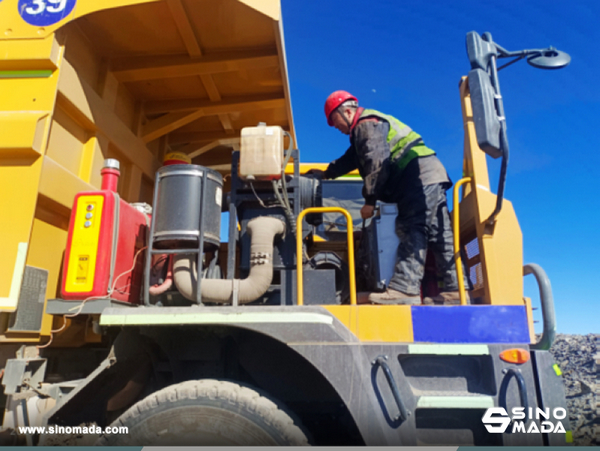
Check before leaving the car 1. Check whether the wiper and the whole car lighting are normal; 2. Check whether the trachea has air leakage, bending, etc., and check the status of the valve parts; 3. Check the return position of the system pedal, whether the brake runs off or not, and confirm that the main brake, parking brake, and auxiliary brake work normally; 4. Check whether the steering system has oil leakage, the left and right steering Angle is balanced, and there is no interference between the steering power cylinder and the tie rod. Precautions for vehicle operation 1. Do not get too close to the slope when the vehicle is running to avoid the damage of vehicles and personnel caused by landslides; 2. Do not brake sharply to avoid deviation and sideslip of the vehicle due to changes in braking torque; 3. Do not turn quickly to avoid excessive steering or sideslip due to changes in adhesion; 4. In the rainy season, the road is slippery or the line of sight is bad, should appropriately reduce the speed, do not overspend; 5. When the the vehicle goes up and down the slope, pay close attention to the situation of the preceding vehicle and the distance between the two workshops is at least 50 meters above; 6. When the vehicle turns, observe the target direction and turn on the turn signal in advance to slow down, and observe the situation of other vehicles behind with the rearview mirror; 7. The driver shall investigate the wading road, understand the condition of the road, and the depth of the wading, and drive slowly. Pay attention to equipment storage and parking 1. Check whether there are any obstructions (such as high-voltage lines) around and above the vehicle, and choose a safe place to park; 2. After the car stops, the variable speed lever should be placed in neutral, the parking brake the valve should be pulled to the parking position, and then the clutch pedal should be lifted; 3. Before flameout, it should idle for 3-5 minutes, and then flameout after the engine cooling down. (Avoid burn-out or wear of the supercharger, and oil leakage); 4. After the rainy season operation, pay attention to check whether there is leakage of the pipe joints and whether the electrical appliances are used normally; 5. When parked in the open air, pay attention to whether the fuel tank cover is tight to avoid equipment failure caused by water intake of the fuel tank.

2024-06-24

The Tips Of Use And Maintain Excavator Bucket Teeth

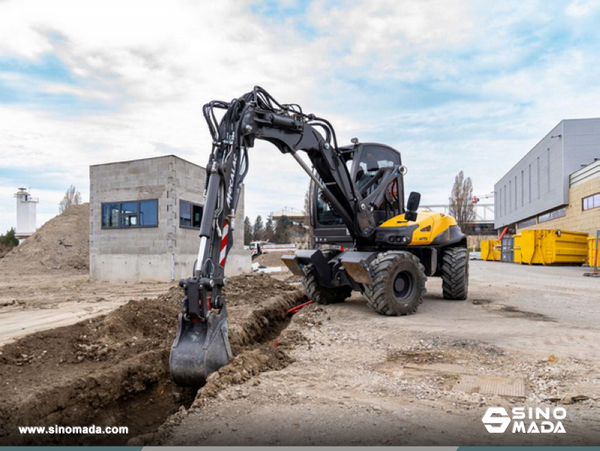
With the rapid development of the construction machinery industry, excavators are an important earthwork construction equipment, its work efficiency, and cost control have become the focus of the industry. Among them, the bucket tooth is the terminal part of the excavator working device and its performance directly affects the overall performance and production cost of the excavator. In the following, a number of recommendations will be made for the optimization strategy of bucket teeth, aiming to improve the efficiency of excavator operation and reduce maintenance costs. 1. Choose the appropriate bucket tooth type Bucket teeth in the use of the process to see the working environment, to determine the specific type of bucket teeth, general excavation, weaved sand, coal, and so on to use flat head bucket teeth. Excavating block hard rock with RC bucket teeth, excavating block coal generally with TL bucket teeth, TL bucket teeth can improve the coal block rate. In actual use, users often like general RC bucket teeth, it is recommended not to use RC bucket teeth in special cases, and it is better to use flat-head bucket teeth, because RC bucket teeth are worn for a period of time before, like "fist" to increase the mining resistance and waste power and the flat mouth bucket teeth always maintain a sharp surface in the wear process, reduce the mining resistance, and save fuel. 2. Replace the bucket teeth in time When the top part of the bucket tooth is worn seriously, the strength required by the excavator in the excavation operation will be greatly increased, resulting in greater fuel consumption and affecting work efficiency. Therefore, it is necessary to replace the new bucket teeth in time when the bucket teeth loss is more serious. 3. Replace the tooth base in time The wear condition of the tooth seat is also very important to the service life of the excavator bucket teeth. After the tooth seat is worn out by 10%-15%, it is recommended to replace the tooth seat, because there is a large gap between the tooth seat and the bucket teeth with excessive wear, so that the bucket teeth and the tooth seat are matched the force point has changed, and the bucket teeth are broken because of the change of the force point. 4. Daily check fastening In the daily maintenance of the excavator, spend 2 minutes a day checking the bucket. The main inspection content is: the bucket body is the degree of wear and whether there are cracks, if the degree of wear is serious, it should be considered for reinforcement. If the bucket body has cracks, it should be welded in time to avoid the delay of maintenance and increase the length of the crack, resulting in a situation that cannot be maintained. In addition to kicking the teeth of the digging bucket with the foot, check whether the ruler is stable if the teeth are loose, it should be immediately fastened. 5. Replace the position after wear Practice has proved that in the process of using the excavator bucket teeth, the bucket teeth outside the bucket is 30% faster than the inside of the bucket teeth. It is suggested that after a period of time, the bucket teeth should be inverted inside and out. 6. Pay attention to driving methods The driving method of the excavator, the driver is also very key to improving the utilization rate of the bucket teeth. The driver of the excavator should try not to collect the bucket when lifting the arm. If the driver lifts the arm while collecting the bucket, the operation will make the bucket teeth receive an upward traction force, so that the bucket teeth are torn from the top of the bucket, so as to tear the bucket teeth. Some excavator drivers often push too hard in the action of amplifying the arm sending the forearm, and "knocking" the bucket quickly to the rock or force the bucket to fall on the rock, which will break the bucket teeth, or easy to crack the bucket, and break the big arm. The excavator driver should pay attention to the Angle operation of excavation during the operation. The bucket teeth should be perpendicular to the working face when digging down, or the inclination Angle is not greater than 120 degrees, to avoid breaking the bucket teeth due to excessive inclination Angle. Also, pay attention not to swing the digging arm around in the case of large resistance, which will make the bucket teeth and tooth seat break due to excessive force on the left and right, because the mechanical design principle of most types of bucket teeth do not consider the left and right force design.

2024-06-11

The Main Reason For The Slow Working Speed Of Excavator

Recently, in view of the slow working speed of excavators, technical experts pointed out after in-depth study that the main reason is the decline in engine power and the internal leakage of the hydraulic system caused by the wear of each part of the whole machine. Experts said that the excavator, as a heavy construction machinery, its hydraulic pump as the core component, will inevitably produce wear after a long time of work.   It is understood that the hydraulic pump of the excavator usually uses the plunger variable pump. With the increase of working time, the hydraulic components inside the pump such as the cylinder block, the plunger, and the flow plate will appear excessive wear, which will cause the internal leakage phenomenon. This not only leads to the uncoordinated parameters of the hydraulic system, but also causes the problems of insufficient flow and too high oil temperature, which is finally manifested as the slow working speed of the excavator.   For this kind of problem, experts suggest that when the working speed of the excavator slows down, it is first necessary to check whether the circuit fuse is open or short circuit to ensure that the circuit system is normal. At the same time, checking whether the pilot pressure is normal, and whether the servo control valve and servo piston are stuck is also an important step in troubleshooting.   If the above inspection fails to solve the problem, then the hydraulic pump may need to be disassembled and data measured to confirm the fault. After confirming the problem, it is necessary to repair or replace the parts that have exceeded the wear limit to restore the normal working condition of the excavator.   Experts remind that the daily maintenance and maintenance of excavators is crucial to extend their service life and maintain work efficiency. Users should regularly inspect and maintain the excavator to avoid big failures caused by small problems.

2024-05-30

Failure Analysis And Solution Of Excavation Weakness

In the field of engineering machinery, excavator is an important earthwork construction equipment, the stability of its working performance is directly related to the construction efficiency and safety. Recently, industry experts have conducted an in-depth study on the common "excavation weakness" fault of excavators and put forward corresponding solutions. For excavation weakness can be divided into two cases: one is excavation weakness, the engine does not hold in the car, feel the load is very light; The second is the excavation of weakness, when the boom or bucket rod to the end, the engine is seriously suffocated, or even flared out.   1.The excavation is weak but the engine does not hold the car. The excavating force is determined by the output pressure of the main pump, and whether the engine holds up depends on the relationship between the absorbed torque of the oil pump and the output torque of the engine. The engine does not hold up the car indicates that the oil pump absorbs less torque and the engine load is light. If there is no obvious abnormality in the working speed of the excavator, the *5655 output pressure of the main pump should be focused on, that is, the overflow pressure of the system. If the overflow pressure measurement value is lower than the specified value, it indicates that the overload overflow valve set value of the hydraulic circuit of the mechanism is not correct, resulting in premature overflow of the mechanism and weak work. The machine can be adjusted by turning the adjustment screw. 2.excavation weakness, engine holding. The engine holding up indicates that the absorbed torque of the oil pump is greater than the output torque of the engine, resulting in overloading of the engine. This fault should first be checked if the engine speed sensing system is normal, and the inspection method is similar to the engine inspection method described in the previous section. After the above detailed inspection and troubleshooting, the engine speed sensing system returns to normal function, the engine holding phenomenon disappears, and the excavation force will return to normal.

2024-05-29

Why Can't The Excavator Start?

The excavator cannot be started, which can be called difficult start, non-combustible, etc. It is one of the most common faults of excavators. It can be divided into two cases. 10 reasons why the excavator won't start: 1. The battery clamp is loose, which makes it difficult for the excavator to start. 2. Excavation of the electric battery is insufficient, or the battery head is loose, resulting in poor contact. 3. Circuit failure, loose relay box connector, or fuse in fuse box. 4. The starter motor or generator fails and cannot generate electricity normally, resulting in insufficient electricity. 5. The excavator cannot start in winter, which may be caused by waxing of the excavator diesel. 6. The excavator is matched with unsuitable fuel. In the winter, diesel with a large viscosity should be used, and in summer, a diesel with a low viscosity should be selected. 7. The engine cylinder pressure of the excavator is lacking and the engine valve is not tightly closed. 8. It is difficult to start the excavator hot car. There may be something wrong with the oil pump or nozzle of the excavator. 9. Malfunction caused by too much water in diesel or too much air mixed in diesel. 10. Failure of the excavator solenoid valve, wear of the diesel pump plunger, etc. will also cause startup failure.

2023-10-10

Tips For Extending The Life Of Construction Equipment

Generally, the cost of construction machinery and equipment is very high, so we must maintain the construction machinery well and extend the life of the construction machinery. In addition to minimizing the impact of harmful factors, we should also ensure normal working loads when using construction machinery. 1. Ensure normal working load The size and nature of the working load of engineering machinery have an important impact on the wear process of the machinery. Generally speaking, the wear of parts increases proportionally with the increase of load.   When a part is subjected to a load higher than the average design load, its wear will increase. In addition, when other conditions are the same, the wear under stable load is smaller than that under dynamic load, with fewer failures and shorter service life. 2. Reduce various corrosion effects The phenomenon of damage caused by chemical or electrochemical interaction between the metal surface and the surrounding medium is called corrosion. This kind of corrosion will not only affect the normal operation of the mechanical appearance equipment, but also corrode the internal parts of the machinery. For example, rainwater, chemical substances in the air, etc. Enter the inside of the machine through the external channels and gaps of the mechanical parts, corrode the inside of the mechanical parts, accelerate mechanical wear, and increase mechanical failure. During use, managers and operators must take effective measures to reduce the impact of chemical corrosion on the machinery based on the local weather conditions and air pollution conditions at the time. The focus is to prevent the intrusion of rainwater and chemical components in the air into the machinery and minimize the impact of chemical corrosion on the machinery. 3. Reduce the impact of mechanical impurities Mechanical impurities generally refer to dust, soil and other non-metallic substances as well as some metal shavings and wear products generated by engineering machinery during use. Once these impurities enter the interior of the machine and reach between the mating surfaces of the machine, they are very harmful. Not only will they block relative motion and accelerate the wear of parts, but they will also scratch the mating surfaces, destroy the lubricating oil film, and increase the temperature of the parts. High, lubricating oil deteriorates. Therefore, for construction machinery working in places with harsh environments and complex conditions, first, we must use high-quality, supporting parts and lubricating oils and greases to block the sources of harmful impurities; second, we must do a good job in mechanical protection at the work site , to ensure that the corresponding mechanisms can work normally and prevent various impurities from entering the interior of the machinery. For malfunctioning machinery, try to go to a regular repair place for repair. During on-site repairs, protective measures must also be taken to prevent the parts replaced during on-site repairs from being contaminated by dust and other impurities before entering the machinery.

2023-09-19

Excavator Construction Should Pay Attention to These Issues When Heavy Rains Occur

Summer is the season when extreme weather such as typhoons, heavy rains, and floods occur frequently. In the face of natural disasters such as extreme weather that may cause rivers to overflow, flash floods, and landslides, what response measures should excavator users take? Precautions for construction in rainy season 1. Before construction, pay attention to the surrounding environment and check whether the construction site is soft and has hidden dangers of vehicle trapping.  The general method is to use manpower to poke downwards with bamboo poles. If multiple bamboo poles are poked down quickly without any effort, and there is no resistance within 1 meter, it means that the area is full of silt. Ordinary excavators can easily get stuck and cannot perform normal construction. 2. Before construction in the rainy season in mountainous areas, first observe whether there is any possibility of landslides, collapses, or debris flows on the mountain.  First, observe whether the mountain is broken, whether there is unreasonable excavation, unreasonable spoil, slag, and quarrying, whether the vegetation grows well, and whether the mountain water is turbid. 3. During the construction process, if you feel that the excavator has begun to sink, stop the construction in time, find a support point and use the big arm to support the vehicle body to prevent further sinking. Drive the excavator back as quickly as possible and do not drive in other directions. 4. Always be vigilant when working in the rain.  When working at night, keep the front and rear headlights, work lights, ceiling lights, instrument lights, wipers, etc. of the excavator working normally to ensure safety. 5. After the construction is completed, the excavator must be parked in a safe area with higher terrain and closer to the residence Away from possible landslides, rising rivers and other dangerous areas, also ensure that the excavator has sufficient fuel to enable evacuation at any time.

2023-09-12

Precautions For Long-Term Storage Of Wheel Loaders

Before Storage 1. Wash every part of the machine, dry it, and store it in a dry warehouse. If the vehicle can only be stored in the open, it should be parked on a concrete surface that drains easily and covered with canvas. 2. Before storage, fill the fuel tank with oil, add grease to each moving pin and transmission shaft, and replace the hydraulic oil. 3. Remove the battery from the machine and store it separately. 4. If the temperature is likely to drop below 0°C, add antifreeze to the engine and allow the antifreeze to reach the engine body and the evaporator of the air conditioning system. Or drain the water in the cooling system, and be sure to drain the water in the air conditioner as well. Use the frame fixing locking rod to secure the front and rear frames. In Storage 1. Start the machine once a month, run each system, and add grease to each moving pin and transmission shaft. This can lubricate each moving part and charge the battery at the same time. 2. Before starting the machine, wipe the grease off the hydraulic cylinder piston rod. 3. Apply anti-rust oil to areas prone to rust. After Storage 1. Change engine, transmission, transaxle lubricating oil, as well as hydraulic oil and antifreeze. 2. Add grease to all motion pins and transmission shafts.

2023-09-06

©Sinomada 2008-2026 / All Rights Reserved. 沪ICP备17022911号-5